
Myofascial Release: The Key to Vocal Freedom & Flow
Myofascial release promotes improved range of motion and flow throughout the human movement system, including our vocal anatomy.

This article was first published in the September/October 2025 issue of VOICEPrints, the journal of the New York Singing Teachers Association. It is the first in a four-part series on how to use myofascial release techniques to condition vocal anatomy.
Tension is Your Friend
Tension gets a bad rap, I often say.
Tensing and releasing is how we move. We experience a motivating impulse, and then our muscles and tissues respond to that impulse by variously tensing and releasing to operate the joints and limbs required to reach for or move towards the source of our motivation.
Tensing and releasing is how we feel. We experience desire as the tension of longing for something we want but do not yet have. We experience anger as the tension of wanting to act or speak out. We feel release when we express or act on feelings like desire and anger.
Tensing and releasing is how we regulate both physical and emotional energy. When the flow of our energy is unfettered, we move with ease and greet emotional experiences without becoming dysregulated. When the flow of our energy meets resistance, that is when tension rises to the level of discomfort, and begins to feel like something we need to get rid of.
For many years, I believed all of the above to be true, without the possibility of supporting those beliefs with scientific evidence. Our growing understanding of fascia, and its role in movement and self-regulation, is finally providing support for my long-held convictions.
Because singing involves both movement and feeling, a practical understanding of what fascia is, how it evolves, and how to train it can be highly valuable for voice teachers. This is the first installment in a series of four VoicePrint articles exploring fascia, its role in vocal anatomy, and myofascial release techniques you can incorporate into your singing and/or teaching practice.
The Human Movement System
Singing is movement. I took up fitness training more than 20 years ago because I wanted to learn how to help my students move their bodies, including their vocal anatomy, more efficiently and intentionally.
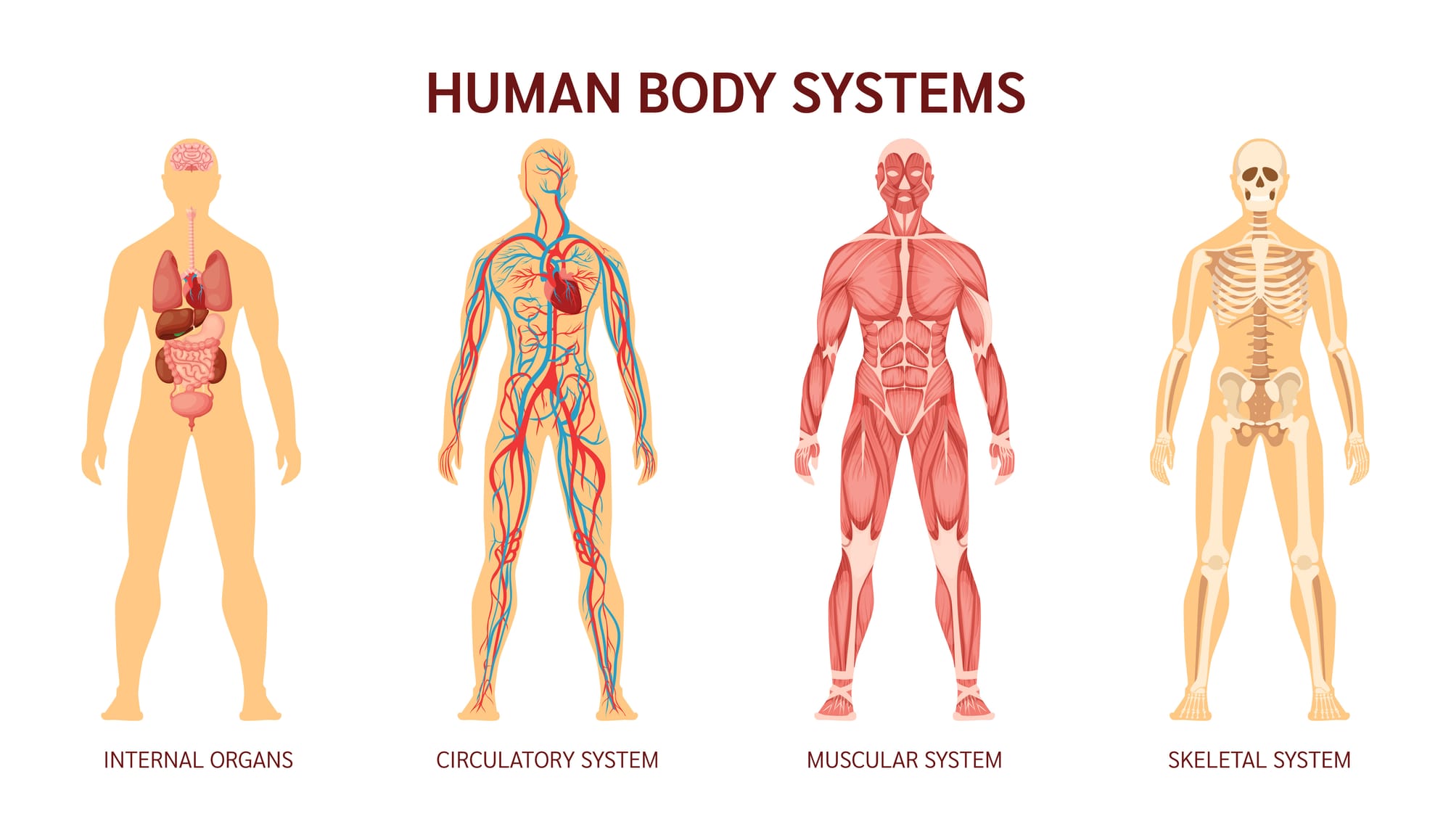
The prevailing but outmoded paradigm of the human movement system that fitness trainers all study proposes that movements happen when muscles contract and release, adjusting the positions of the bones to which they are attached and thereby operating the joints that link our bones to one another.
- Under this paradigm, the goal of exercise is to bring all the muscles in your body into proper length/tension relationships, strengthen the weak muscles and stretch the tight muscles, resulting in balanced strength and efficient function.
- Trainers are taught that this is best accomplished by adding load to joint movements (as in a dumbbell biceps curl, involving movement of the elbow) or groups of joint movements (as in a barbell squat, involving movements of the ankles, knees, and hips) through the use of tools like free weights, challenging body positions, selectorized machines, etc. The idea is that working the muscles to fatigue yields increased strength upon their recovery.
- The exercises this paradigm employs are characteristically strenuous—they can elicit significant pain, both during exercise and throughout recovery.
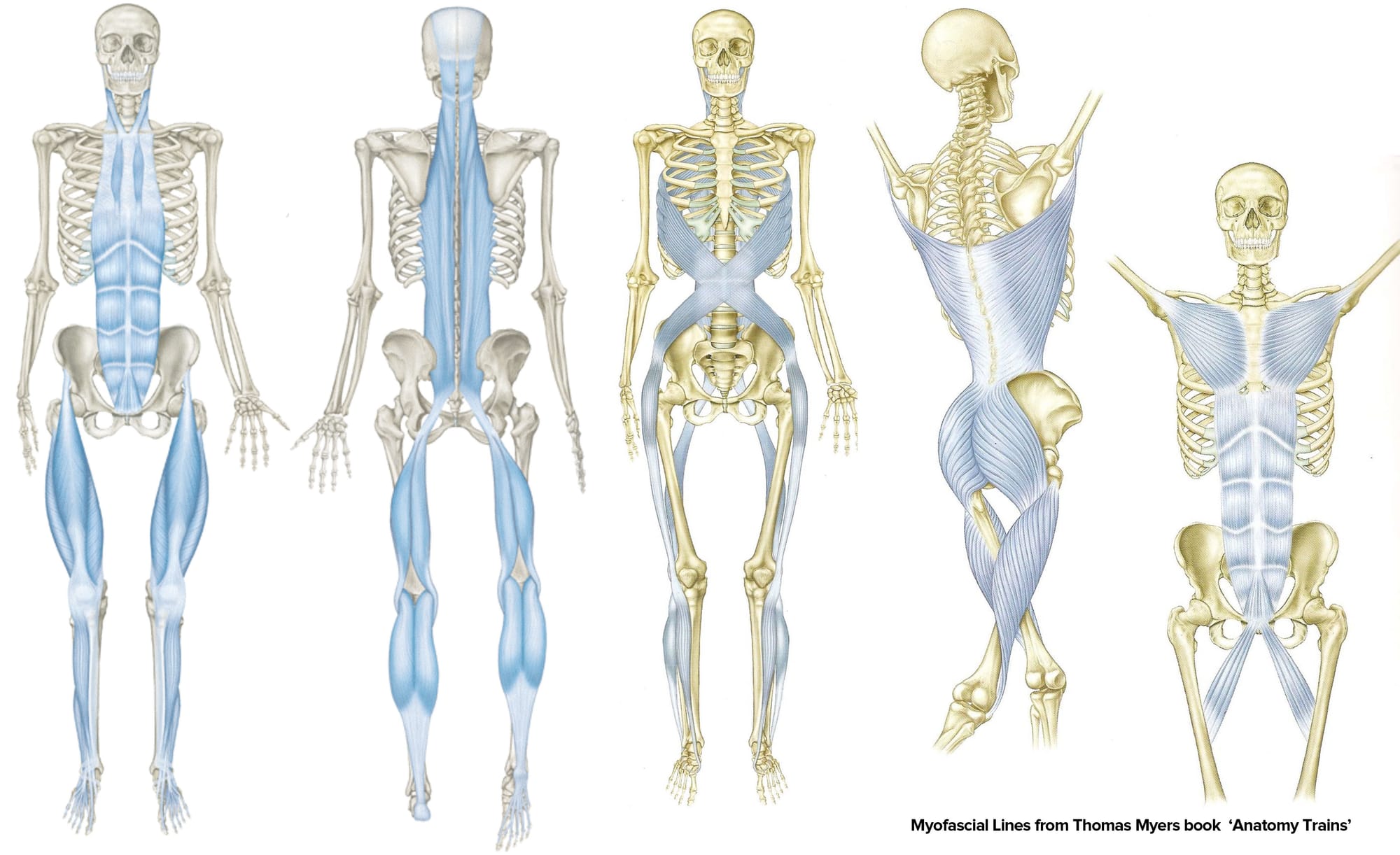
The paradigm of the human movement system that I now embrace proposes that our fascial system contains and coordinates all of the structures that facilitate movement—not only our muscles, bones, and joints, but also the neural networks that enable us to sense and communicate with all of these structures.
- Under this paradigm, the goal of exercise is to enhance our ability to communicate with and coordinate all of these structures via improved interoception, in order to increase range of motion (flexibility) and force production (strength), with a view to helping us function as desired and enjoy our own bodies more.
- This is best achieved by
- Reducing load for movements where flexibility and strength have been compromised, e.g. tightness in the lumbo-pelvic-hip complex that keeps you from being able to touch your toes, or weakness throughout your shoulder complex that keeps you from being able to perform a push-up or a pull-up;
- Releasing adhesions and other patterns of fascial rigidity that contribute to, for example, tightness in your lower back and hips and weakness in your shoulders and arms;
- Developing movement patterns that involve your whole body, characterized by a sense of flow rather than rigidity;
- And only then adding load to those movement patterns to further enhance your functional strength and coordination.
- Exercises that achieve this generally feel good. I also find them fun, as does everyone I have shared them with so far.
In summary:
- Adding load to your movements tends to make individual muscle groups bigger and stronger. However, engaging in rigorous strength training without also engaging in rigorous flexibility training can decrease your range of motion, making you physically less functional (even if those washboard abs and popping delts make you look more athletic).
- Adding or reducing load to a given movement to deepen your awareness of the movement, without impeding range of motion or coordination, simultaneously enhances both strength and flexibility for that movement, making you physically more functional (even if you didn’t sweat copiously or feel agonizingly sore the next day).
The Feeling Body
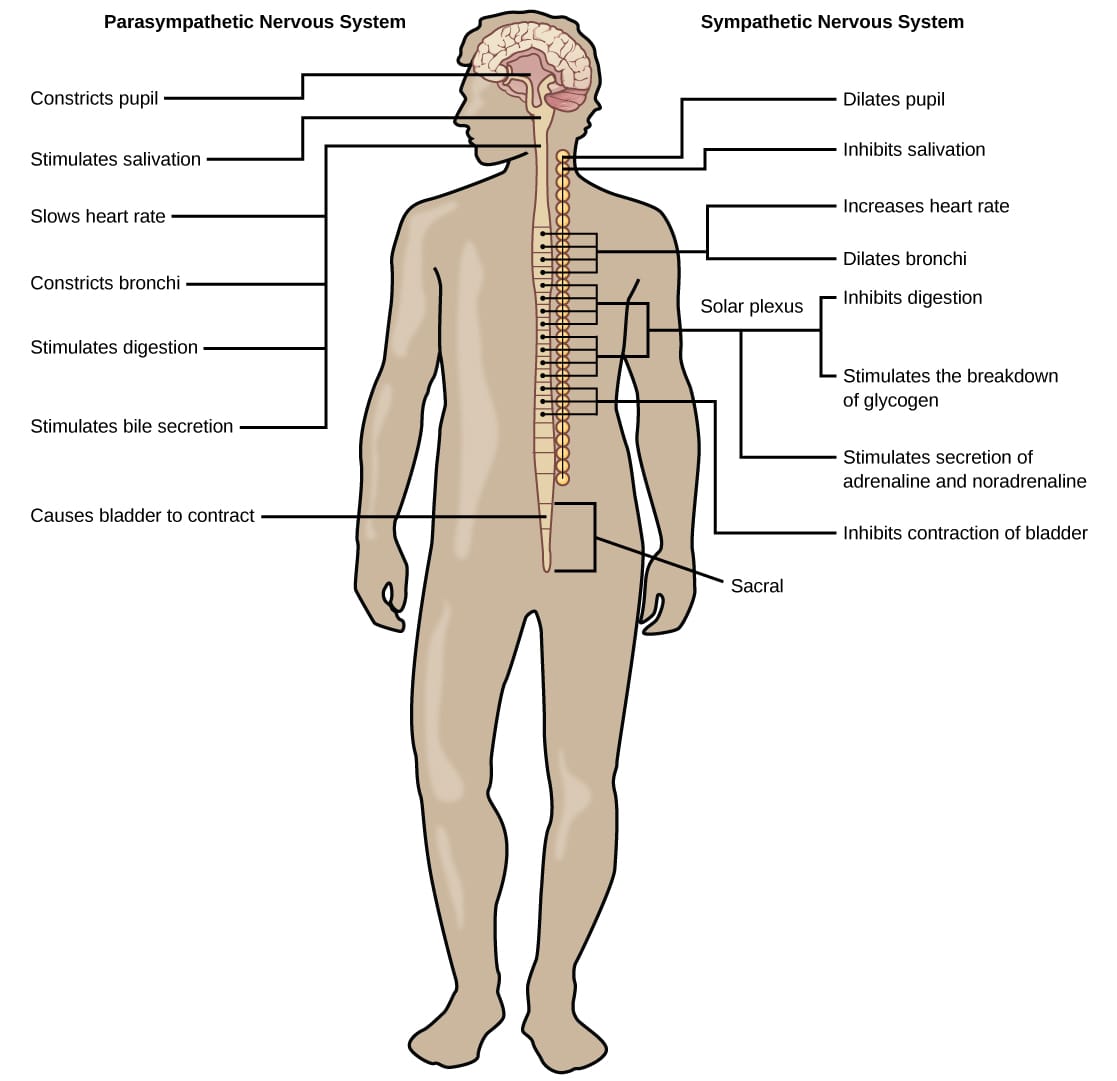
Singing is feeling. Buddhist philosophy codifies six senses, rather than five, with distinct senses whereby we experience sight, sound, taste, smell, the feeling body (internal sensations as well as external sensations like touch), and the thinking mind. Where singing is concerned, I find it very useful to adopt this framing, which equates feelings with body sensations. This, to me, is what is meant by interoception: the ability to observe the feeling body, and the interactivity between emotion and physical sensation.
Investigate whether this makes sense to you:
- When you experience an intense emotion, do you detect sensations in your body that correspond to that emotion?
- Does the flow of your emotions affect the rate or depth of your breathing?
- Do intense emotions impact your alignment or body language?
While the interactivity of our emotions and our physiology is well-documented, I invite you to investigate how this plays out in your own experience, because your ability to perceive this interactivity directly, via your own interoceptive sense, is what informs your movement choices.
Earlier, I proposed that when the flow of our energy is unfettered, we move and feel with ease, but that when the flow of our energy meets resistance, our physical and emotional rises to a level that creates discomfort. Healthy, supple fascia promotes the flow of movement and sensation; when fascia becomes comparatively rigid, the stiffness creates resistance to the flow of movement and sensation.
In 2005, German psychologist and biologist Robert Schleip published a groundbreaking paper asserting the contractile nature of fascia and its impact on movement. It turns out that it is not just our muscle fibers that tense and release to move us around. Each muscle fiber is encased in a connective tissue layer called the endomysium—a type of fascia. Groups of muscle fibers are wrapped in the perimysium—another type of fascia. Our muscles, bones, and organs are all encased within and connected with each other via layers and networks of fascia. That is why I stated that our fascial system contains and coordinates all of the structures that facilitate movement, including our muscles, bones, joints, and the neural networks that enable us to sense and communicate with all of these structures.
Healthy fascia is characterized by a responsive elasticity. If you were to bounce up and down (as in jumping rope), the elasticity of a healthy, supple Achilles tendon would create a buoyant recoil upon landing and bounce you back up. The momentum of the repeated movement would take over, conferring ease and flow on your jumping.
However, fascia can become comparatively stiff and rigid from reduced movement and the habitually held positions characteristic of our sedentary culture. Rather than forming springy, interlaced, easily stretched collagen fibers, the fascial sheets and tendons end up weaving a more tightly-woven “fabric” that Schleip describes as felt-like. If you attempted to jump rope after years of sedentary adult life, you would likely experience less efficient recoil in your Achilles tendon, as well as throughout all of the fascial structures holding your spine together.
When I lost access to my gym during the pandemic lockdown, I had this brilliant idea to take up jumping rope. That was before I knew what I know now about fascia! For years, my preferred cardio modalities had been low- or no-impact, i.e. no bouncing my body weight up and down. But I gave that no thought, because I had become accustomed to having my body do whatever I asked of it. So I went outside with my jump rope, lasted about ten minutes… and then spent the next two weeks in agony.
My Achilles tendons were fine—after all, they had been able to keep me bouncing the whole time. It was my spine that couldn’t take the impact. I now know that long ago, I began developing significant rigidity in the fascia organizing my spine as a consequence of fracturing two ribs that I have no recollection of having broken. The evidence showed up on a CT-scan during my treatment for cancer last year, but the evidence was also wired into my body in a way that I am now able to map more clearly. At the time, all I knew is that all of the tissues supporting my spine had seized up and were loudly screaming with displeasure.
It was a humbling experience, and the process of loosening up the stiffness and alleviating the pain sparked my ongoing fascination with fascia. I traded in my jump rope for a set of massage balls and spent the rest of the pandemic lockdown using them to unlock and learn about my own tissues.
Myofascial Release
“Myofascial release” is the term used to describe any means whereby we promote greater suppleness and reduce rigidity in our fascia. It is a kind of self-massage using tools like rubber balls, foam rollers, and vibrating objects of assorted sizes and shapes.
I find myofascial release a delightful way to unlock and learn about our own tissues, thereby increasing the flow of movement and sensation throughout our bodies and regulating our physical and emotional tension. It works well for alleviating the kind of pain and stiffness you might experience from an ill-advised foray into jumping rope, and it also works well for increasing range of motion and promoting flow throughout our anatomy—including our vocal anatomy.
Here are a couple of introductory exercises to help you begin investigating and unlocking your tissues. These moves require a pair or two of massage balls (see below for some recommendations).
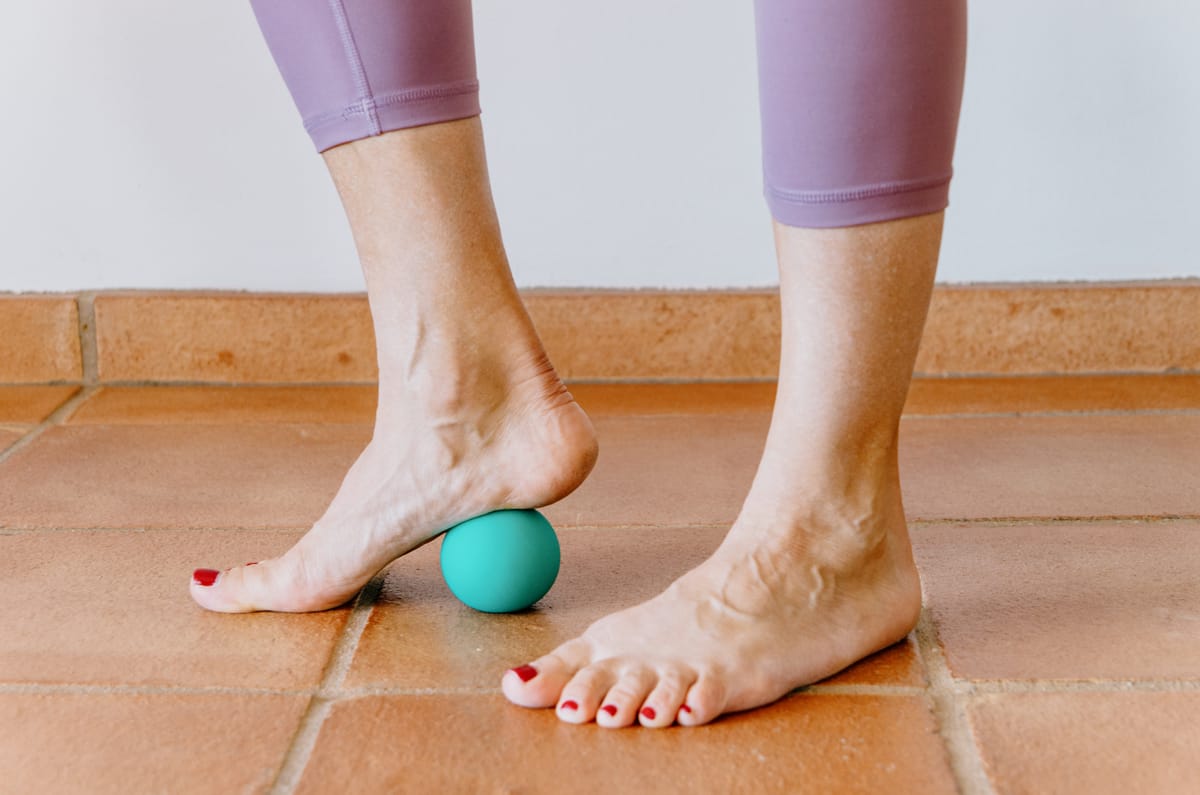
Plantar Fascia Release
You can perform this exercise either sitting down or standing up. If you are standing up, hold onto a chair or brace your hand against a the wall to support your balance until you become accustomed to the exercise.
- Place a small massage ball under the ball of your foot between your big and second toes.
- If you are sitting, lean forward so you can easily increase or decrease the pressure of the ball against the bottom of your foot.
- If you are standing, explore increasing and decreasing the extent to which your weight is supported by the foot on top of the ball.
- Slowly roll your foot over the ball, moving up and down the length of your foot and sideways across the width of your foot.
- Keep the intensity of the massage in the “hurts so good” range rather than aggressively digging into your tissues.
- Repeat for the other foot.
Spinal Rollout
You can perform this exercise with a foam roller, but it is revelatory to perform it with a pair of massage balls in a tote. This video demonstrates how to perform the exercise using a foam roller, and is safe for the thoracic spine (upper back). The directions below are for performing the exercise using a pair of massage balls in a tote. This version can be safely performed on the entire spine, provided you listen carefully to the feedback you are getting from your body as you roll your spine over the balls. The more slowly and mindfully you perform any myofascial release exercise, the better for enhancing your interoception and your ability to communicate well with your tissues.
- Lie face-up on an exercise mat. Bring your knees up and place your feet flat on the floor with your toes pointing forward, your hips, knees, and ankles in alignment with one another.
- Position a pair of medium or large massage balls in a tote under your spine just below your ribs. Your spine should feel cradled between the two balls, with the balls gently pressing against the tissues on either side of your spine.
- Raise your hips slightly off the mat.
- Roll your spine over the balls in whatever direction feels in need of release. You can move so that the position of the balls migrates either towards your pelvis or towards your shoulders. The foam roll video linked above offers a good demonstration of how to use your arms and legs to navigate your position on top of the balls in their tote.
- Alternatively, you may prefer to change the position of the massage balls by manually placing them between individual vertebrae. In each position, lie on top of the balls breathing slowly and deeply while noticing the pressure the balls exert on the tissues surrounding each vertebra.
- Keep the intensity of the massage in the “hurts so good” range rather than aggressively digging into your tissues.
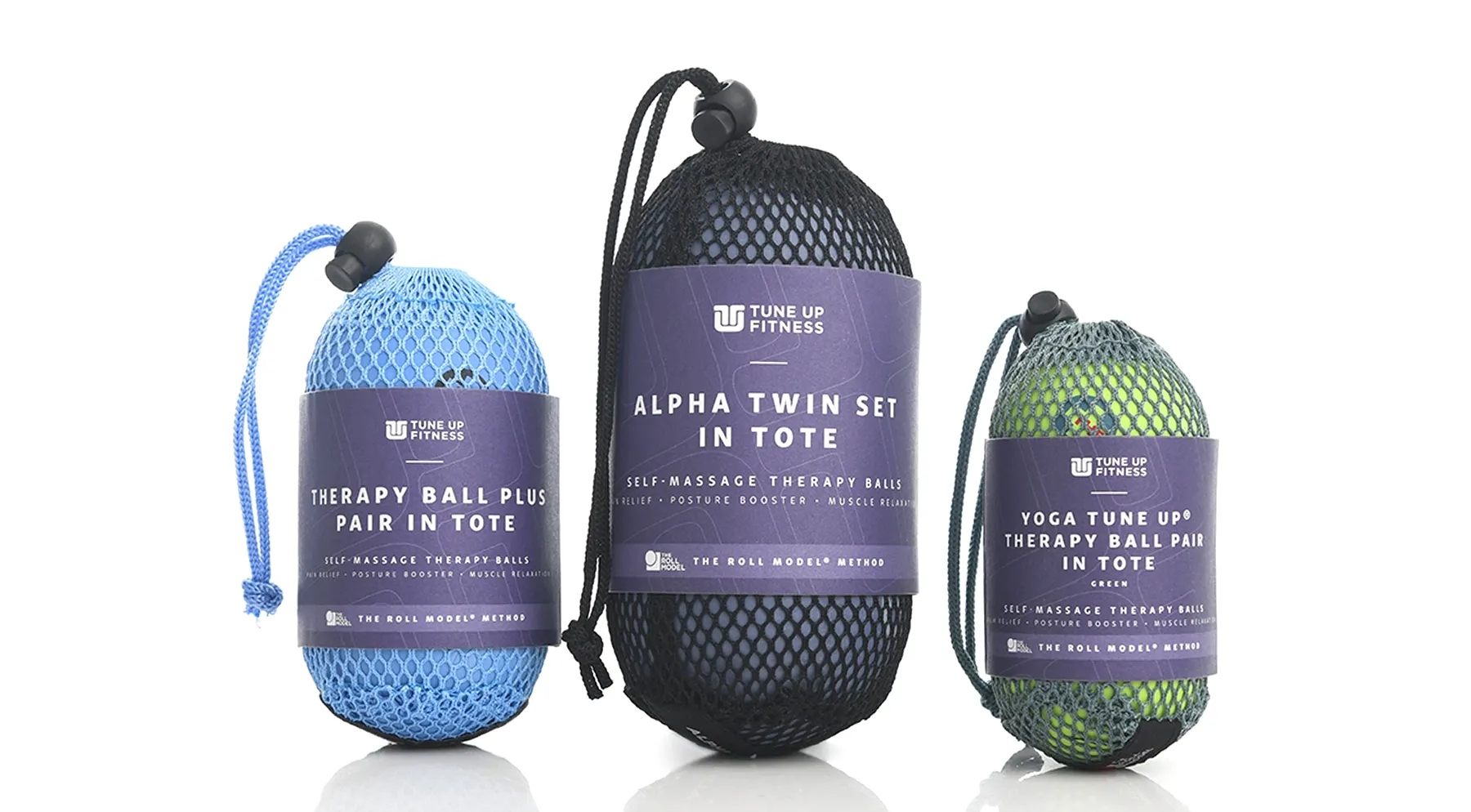
I encourage you to acquire massage balls that were expressly designed for myofascial release, rather than using tennis balls (too big for your plantar fascia and too unyielding generally) or lacrosse balls (too small for the spinal rollout and much too firm—you want to gently stretch the fascia, not bruise it). I recommend using one of Jill Miller’s small Therapy Balls for the plantar fascia and a pair of either the Therapy Balls Plus or the Alpha Twins for the spinal rollout. (I do not receive any compensation for recommending these products, I just find them far superior to anything else on the market.)
I hope you enjoy these exercises! Feel free to reach out to me with any questions or to share your experiences.
Part 2 of my VOICEPrint series offers myofascial release exercises for the anatomy involved in breath coordination. Part 3 offers myofascial release exercises for the anatomy involved in phonation. Part 4, forthcoming later this month, will offer myofascial release exercises for the anatomy involved in resonance and articulation.