Stewardship
Timothée Chalamet does not wish to work in a field propped up on life support rather than sustained by the love and support of enthusiastic audiences. Neither do the rest of us.
I am a little disappointed in Timothée Chalamet.
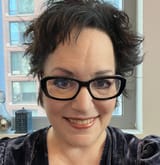
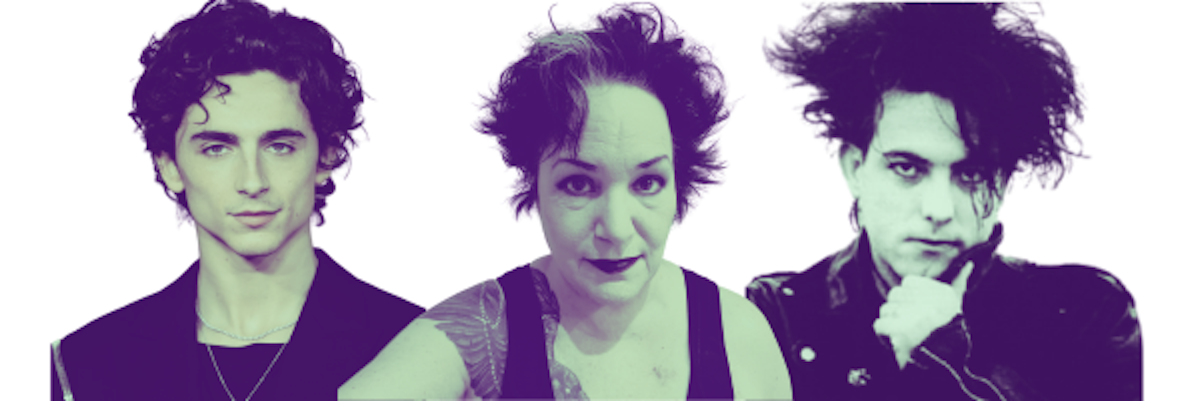
I needed a refresh after my long cancer convalescence. The inspiration for my new hair was roughly 75% Robert Smith of The Cure and 25% Timothée Chalamet.
I admire Smith not only for his prolific and gorgeous music, but also for his advocacy on behalf of musicians and music lovers. I admire Chalamet for his portrayal of Paul Atreides in the new Dune film franchise. Also for his hair.
I find both to be outstanding stewards of their artistic gifts (as well as their hair). Robert Smith has also proven himself to be an outstanding steward of his creative community. Alas, Timothée Chalamet recently demonstrated that he can be a real tool at times, where stewardship of the performing arts community is concerned.
My fellow opera enthusiasts already know that my motivation for writing about this today stems from Chalamet’s recent flippant dismissal of opera as an art form on life support. I’ll get to that. First, allow me to express my admiration for Smith and his tireless advocacy on behalf of musicians, live performance, and audience access.
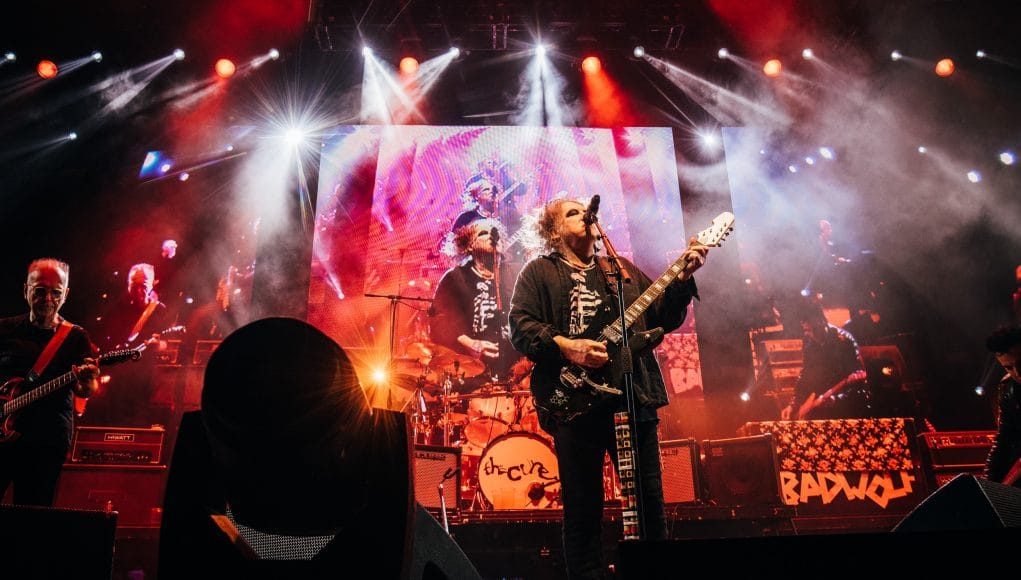
’80s rock got me through the grueling chemo that followed my colon cancer surgery (colon cancer chemo is no joke! please go get screened if you are 45 or older). While I was healing, I treasured The Cure’s enveloping, emo soundscapes. It was a delightful coincidence that I rediscovered my love of The Cure just in time to hear them perform their first album in sixteen years, Songs of a Lost World, live-streamed on YouTube from London’s Troxy Theatre. The debut of a long-awaited new album by an internationally beloved band would normally garner spectacular prices for tickets, but Smith insisted they charge the going rate for Troxy tickets (about $75) and stream the entire concert for free.
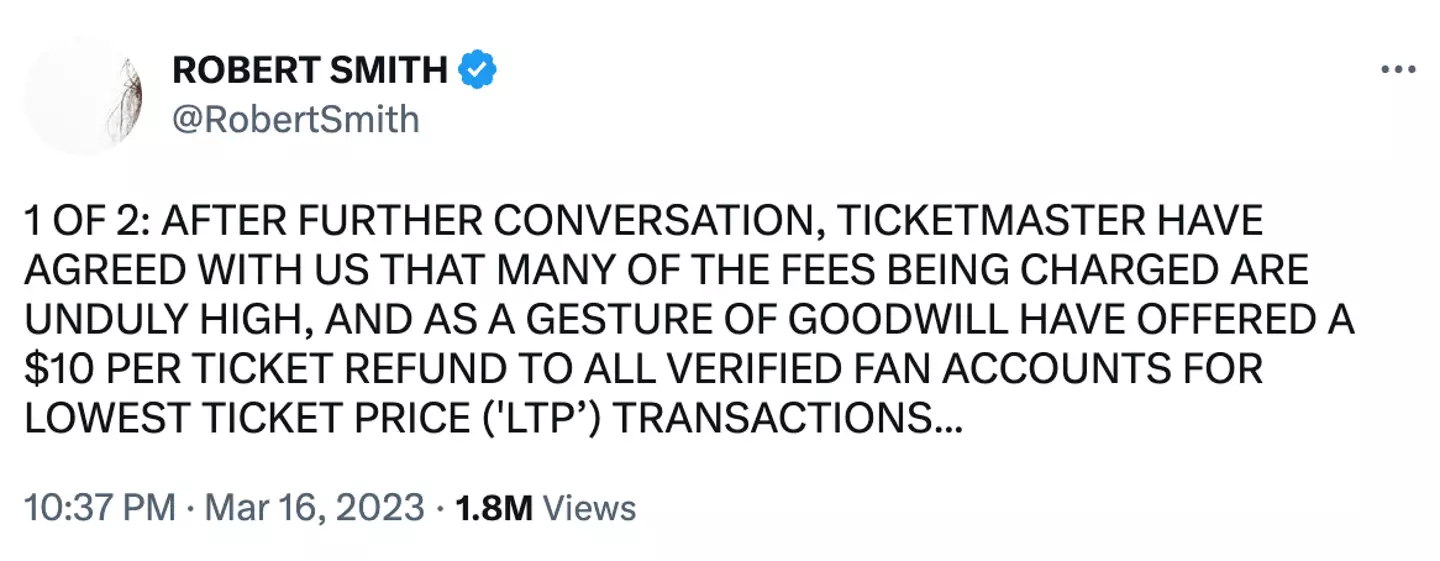
Smith never forgot what it was like to be a young fan scraping together enough to afford a concert ticket, and he has endeavored to keep ticket prices low throughout his career. In performance and in interviews, his affection and commitment to showing up for his audience is palpable. When the Songs of a Lost World tour was announced, Smith opted out of Ticketmaster’s “dynamic pricing model” and made tickets non-transferable in order to prevent scalping: “We didn’t allow dynamic pricing because it’s a scam that would disappear if every artist said, ‘I don’t want that’… But most artists hide behind management. ‘Oh, we didn’t know,’ they say. They all know. If they say they do not, they’re either fucking stupid or lying.” When it came to Smith’s attention that Ticketmaster was padding ticket prices for the tour with fees that in some cases nearly doubled the cost, he successfully demanded the company issue refunds to his fans.
The Songs of a Lost World tour ended up being The Cure’s highest-grossing North American tour to date. The average ticket price was $68.54, 37% lower than the average for bands of similar stature performing at comparable venues. They were able to get thousands of butts in seats at enormous venues because they insisted on making their performances accessible for the thousands of fans who wanted to hear them play.
Yes: I want the artists and their support teams to be well-compensated for their hard work and creativity, and so does Robert Smith. He just views the transactional side of things as a necessary inconvenience, and he isn’t willing to prioritize profit motives over access for the audiences that love him. Or allow companies like Ticketmaster to scam them.
That is what it looks like, when artists convene a concert tour in order to serve and commune with their fans, as opposed to making as much money as they can for themselves and their promotors by allowing tickets to sell to the highest bidders.
That is what it looks like, when an artist does their best to minimize the gatekeepers and middlemen in order to bring their art to the audiences that appreciate it.*
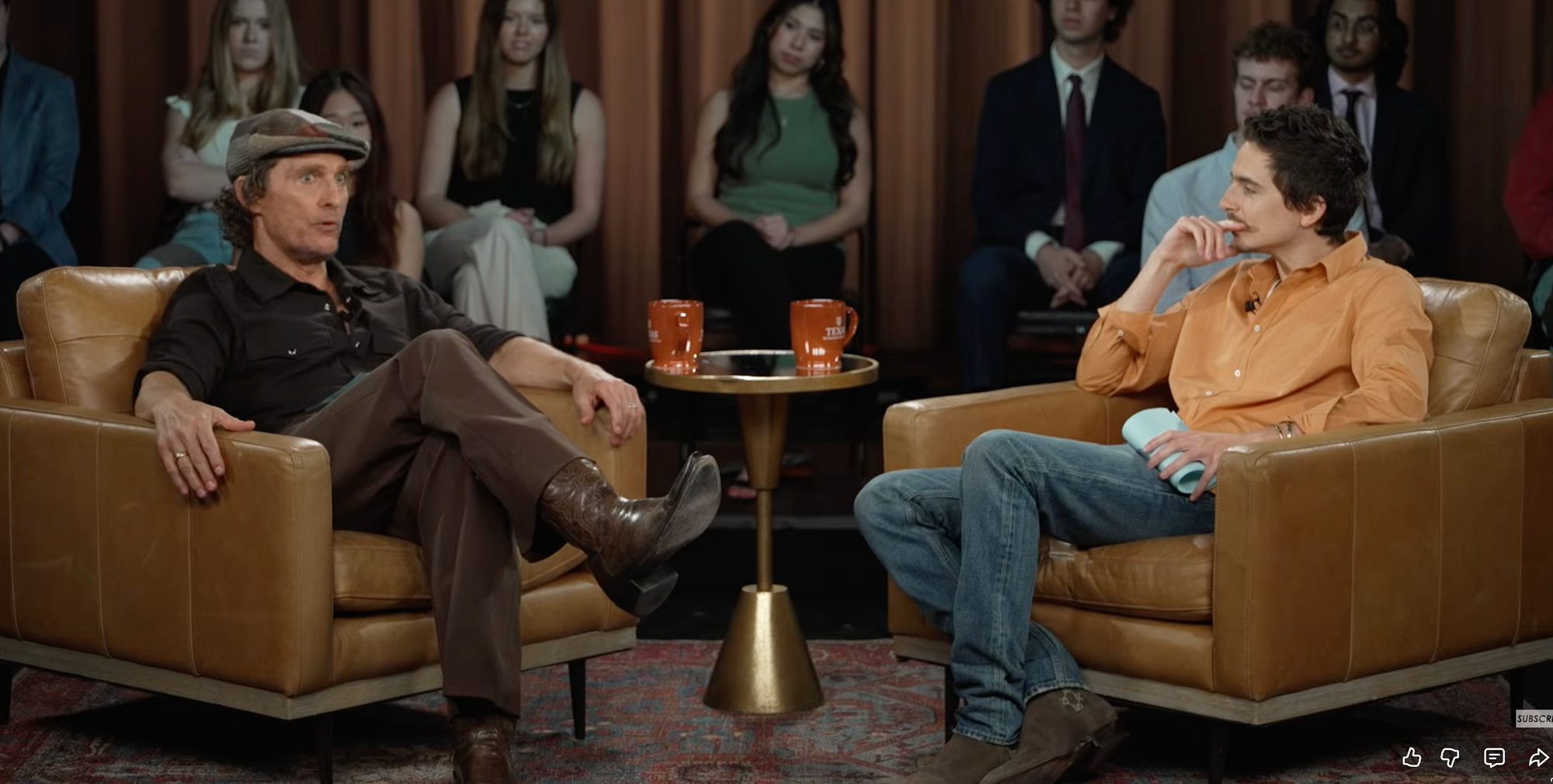
Okay, let’s unpack what Timothée Chalamet had to say about opera in his recent conversation with Matthew McConaughey. McConaughey was musing about the ways in which film has been evolving to accommodate changing audience tastes and attention spans, and wondering whether film as an art form is suffering as a consequence. Chalamet proposed that promoting audience engagement is at least as important as preserving whatever we think the art form is supposed to be. That is what prompted him to say “I don’t want to be working in ballet, or opera, or things where it’s like, ‘Hey, keep this thing alive, even though like no one cares about this anymore.’”
Chalamet’s mouth got ahead of his brain, and I sympathize. Throughout my life, I have struggled to avoid blurting out stuff that comes off as flippant whenever I fail to connect the dots for the benefit of my audience. But when that happens to me, my audience is usually just one other person, who hopefully gives me a shot at explaining the apparently tactless thing I just expressed. Chalamet was flip in front of a live audience, and his flippancy was recorded and shared with a huge online audience, and my social media feed has since been choking on all the hot takes from assorted opera professionals who take issue with the suggestion that, like, no one cares about opera anymore.
But that isn’t what Chalamet said. What he said was that he does not wish to work in a field propped up on life support rather than sustained by the love and support of enthusiastic audiences.
I don’t, either. None of us do. But opera’s current business model is that it is being propped on life support. We got here not because no one cares about opera anymore, but because of poor stewardship on the part of its producing organizations and gatekeepers. And we ignore this at our peril.
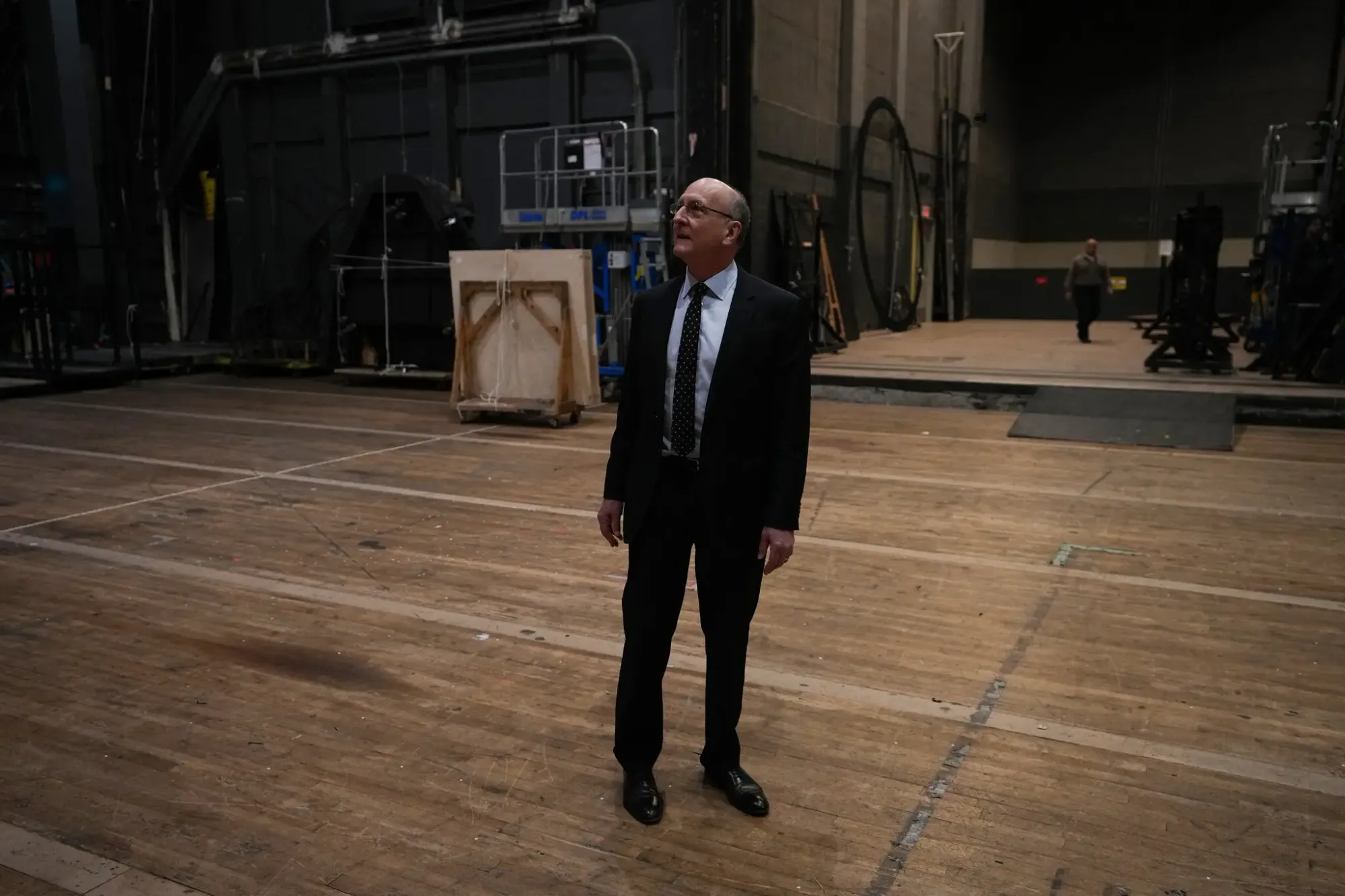
Yesterday’s New York Times offered a feature article on The Met Opera’s Desperate Hunt for Money. Met General Manager Peter Gelb, who continues to draw a seven-figure annual salary, believes “the prudent course of action was to take money from the endowment while we’ve scrambled to find a new business plan that could prevent us from having to take future draws.” His attempts at scrambling have included strategies like cutting costs, cutting their season, laying off workers, and seeking financial support from the likes of Elon Musk and Saudi Arabia. Opera has simply refused to evolve with the times and acknowledge that while fans once “clamored to buy a year’s subscription just to ensure getting a seat, the [Met] opera’s box-office revenue fell to $70 million last fiscal year, down from about $90 million a decade earlier, or only about a fifth of what it takes to cover operating expenses.”
Opera’s OG business model was reliance on the largess of wealthy patrons. The NYTimes article points out that Gelb, whose contract was recently renewed through the 2030 season, “has had a long run of finding pots of gold.” Gelb’s plan now that this no longer appears to be working? “The plan is to never give up trying to find a solution to the predicament,” he said. Is this the kind of visionary the opera world needs right now? I agree with Anne Midgette’s assertion that “I think they need to get rid of him and find somebody else because they shouldn’t be in these kinds of dire straits, and draining the endowment is not the answer.” When the best plan available is “never give up trying to find a solution to the predicament” while draining the endowment, well, that sounds like life support to me.
Opera is not its investors and gatekeepers. Opera is not its storied venues, or even its largely white European cis-male canon. Opera is the artists who create and perform it, the creative teams that produce and support it, and the audiences who have the potential to be moved and transported by it. Its future need not be in the hands of shitty, unimaginative, overpaid stewards like Gelb who continue scrambling to cut budgets and personnel, drain endowments, and pursue pots of gold, rather than develop new creative and business models in response to the evolving needs and budgets of audiences who love live theater.
I do not have a solution to offer, but I believe that we will be more likely to create one by asking how we can better align our business model and production strategies with the way audiences like to consume live theater these days, than we will by allowing opera’s demonstrably shitty stewards to continue scrambling to sustain their outdated business models and production strategies.
Because, again, none of us wants to work in a field propped up on life support rather than sustained by the love and support of enthusiastic audiences.
*I appreciate that a business model that works well for a popular rock band will differ from a business model that works well for an opera company. A well-managed concert tour can turn a profit on ticket sales alone, while opera will likely always need other streams of funding and support (such as the interest the Met earns on that endowment that Gelb has been gutting).
What I want to borrow from Robert Smith is not his model but rather his mindset. He asks, “How can we make our performances accessible to everyone who would like to come hear us?” Effective solutions come from asking the right questions. Opera’s best business model will be one that embraces and delights the widest possible audience while creating more sustainable infrastructure and providing good compensation for performers and staff (as opposed to attempting to patch up a vast, unwieldy sinking ship).